Topic · 81 stories
Harnesses & tools
The code around the model: tool access, context handling, subagent orchestration, and the harness-level features that increasingly decide what an agent can finish.
Stories
Building an Agent Harness for Life Sciences: Introducing Deep Life Sci (LangChain)
blog post · Story page
Open-source clinical research agent with sandboxed analysis sub-agents
Optimizing agent system prompts with Amazon Bedrock AgentCore (AWS ML Blog)
blog post · Story page
AWS opens up the system prompt optimizer inside AgentCore: production traces feed a reflector engine that proposes configuration changes, and those changes get validated before promotion instead of reaching the running agent. Benchmarks for the Single Agent and Sub-Agent Reflectors are reported separately.
The unreasonable effectiveness of BM25 for agentic search (Jo Kristian Bergum (Hornet.dev))
talk · Story page
The lexical function didn't change, Bergum argues, the user did: a model knows entities, dates and product identifiers, so it writes far longer queries than a person would and fires a dozen in a row. He points at a benchmark where accuracy is high with answer-bearing documents in context and drops once the model has to fetch them.
MCP went stateless: What changed in the 2026-07-28 spec (WorkOS)
blog post · Story page
Sessions, the initialize handshake and stream resumability are all gone from the 2026-07-28 MCP specification. The post walks through what replaced each one and what breaks if you ignore the change.
Claude Cowork and chat are now one Claude (Simon Willison)
blog post · Story page
Cowork and chat merge into one Claude, Pro and Max first
AgentGuard: Learning Execution Guardrails from Anomalous Coding-Agent Trajectories (arXiv)
paper · Story page
Execution guardrails learned from 461 documented coding-agent failure traces
EchoPath: Execution-Level Replayable Memory for GUI Agents (arXiv)
paper · Story page
Validated GUI trajectories turned into replayable, parameter-controlled procedures
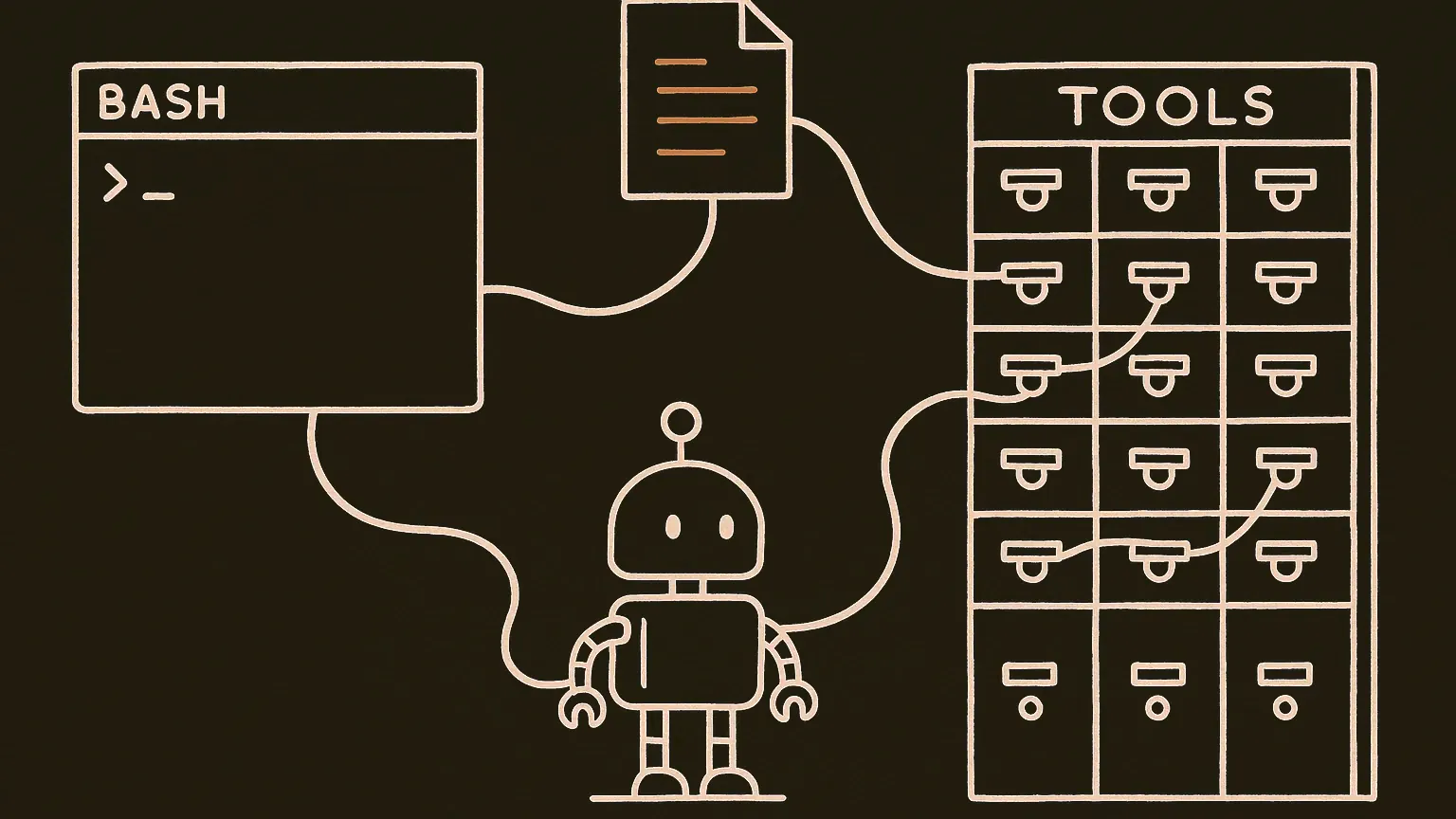
Is Bash All You Need? An Empirical Study of Tool Interfaces for Enterprise Digital Worker Agents (arXiv (via papers.cool))
arXiv, 5 pp · Story page
Five tool interfaces for enterprise agents, compared on TheAgentCompany and APEX-Agents with Opus 4.8 and GPT-5.5.
Harness or Model? Isolating the Harness Effect in Agentic Coding with a Contamination-Controlled Private Suite (arXiv (via papers.cool))
arXiv, 25 pp · Story page
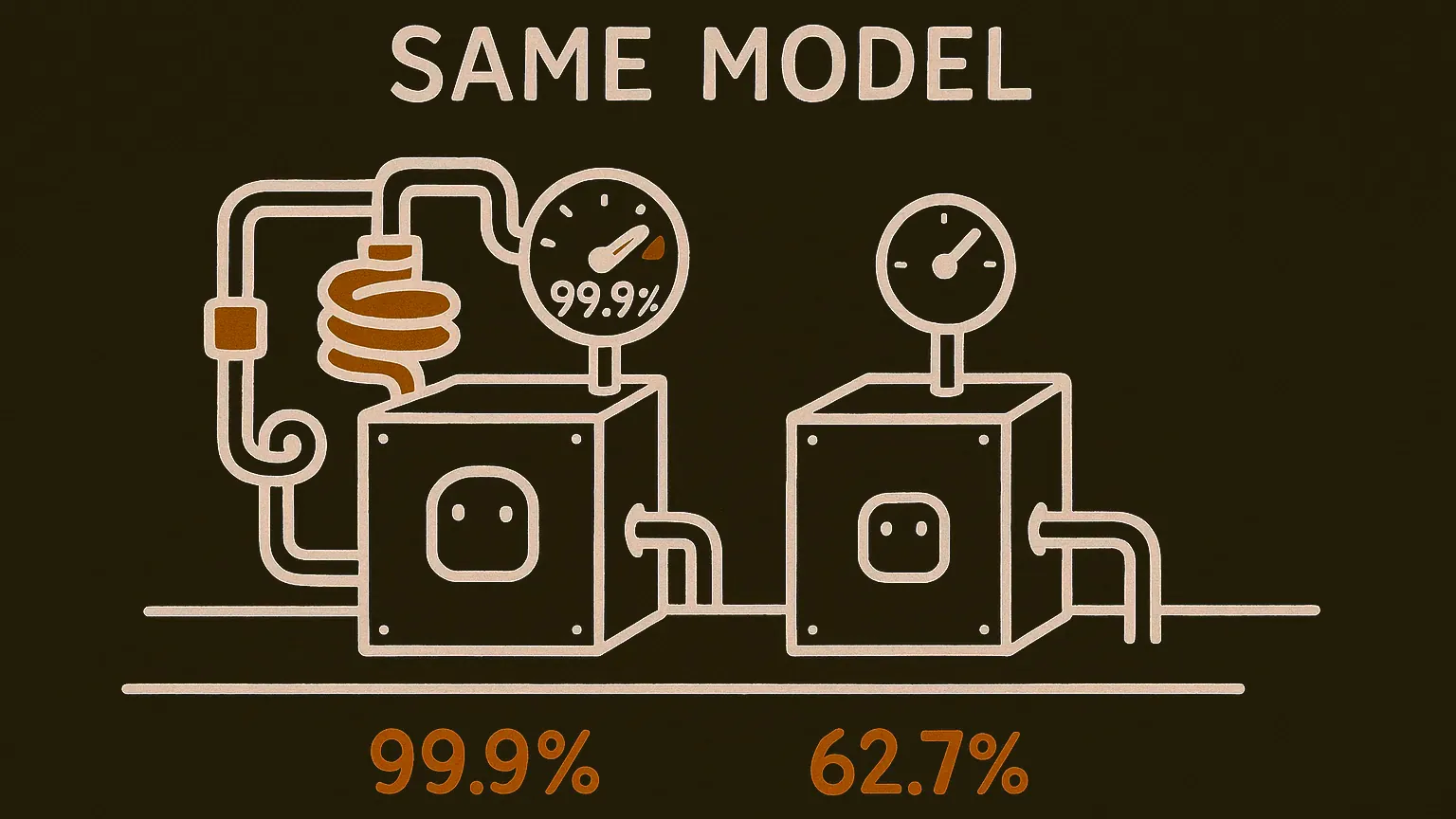
Paired same-model runs on a private, contamination-controlled suite found no clear average advantage for vendor-native harnesses over deepagents, with Opus 4.8 or GPT-5.5. The Opus average hides opposite strata on a split chosen after seeing the data.
How We Solved Agent Building (Andrew Qu (Vercel))
talk · Story page
Vercel's data science agent went from one mega prompt to narrowly scoped agents to a single agent managing its own state. The unlock wasn't a clever tool set: a sandbox with a plain file system and bash doubled the eval score.
Tokens Should Have Jobs (Katelyn Lesse and Angela Jiang (Anthropic))
talk · Story page
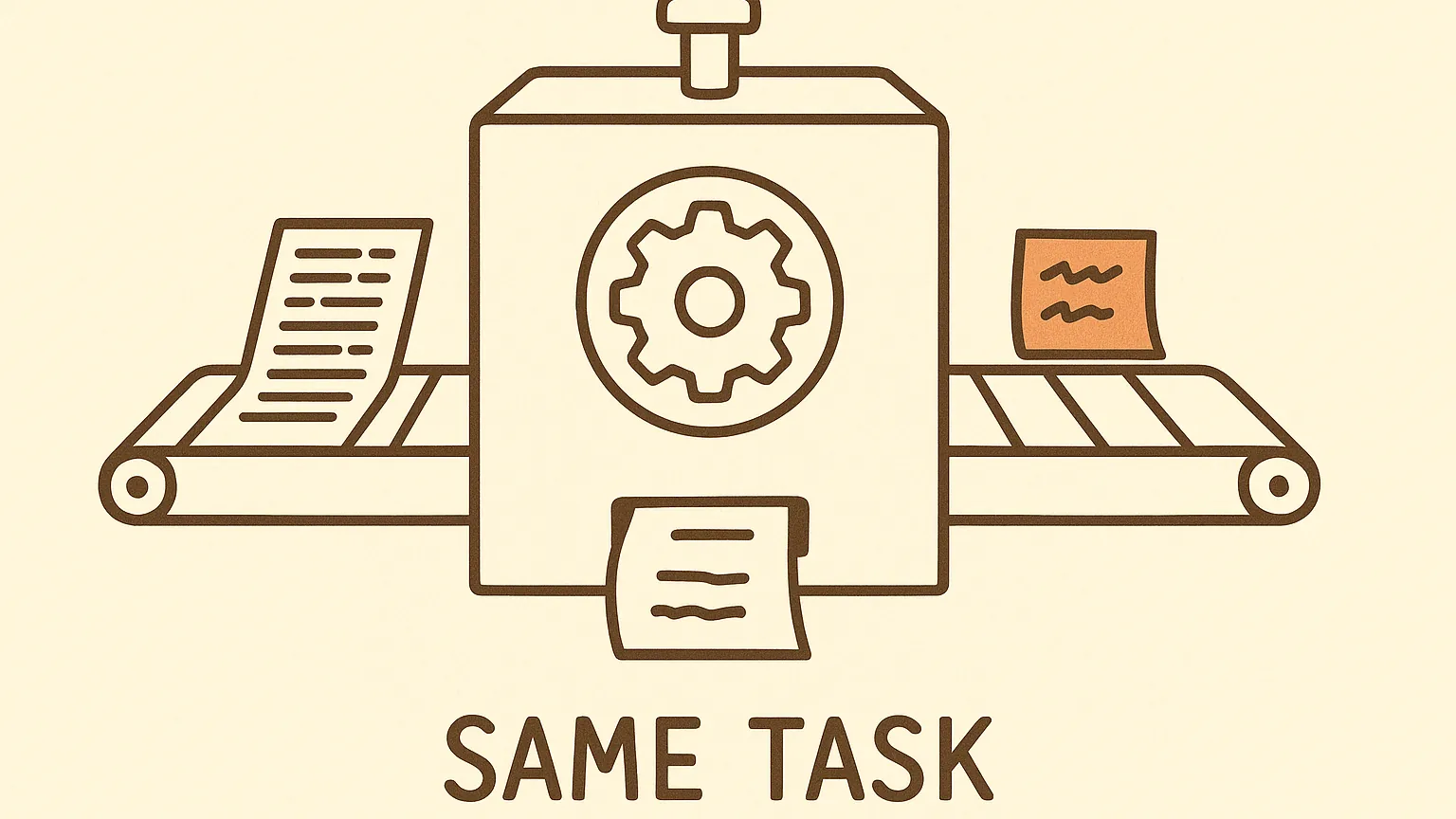
Given the same fixed budget of roughly 600,000 tokens, an agent that only executed scored 76 on financial analysis tasks, and one that spent part of that budget asking a second agent for advice scored 89. The three jobs: advising, grading to a rubric, reading transcripts into memory.
Realtime Voice Agents with Frontier Intelligence (Bohan Li (EliseAI))
talk · Story page
Li runs two transcription engines at once, a fast one that emits immediately and a slower one that corrects it, discarding the correction if newer audio has already arrived. A prefix cache reuses audio for phrases an earlier turn said.
Agents Without Code: Skills, YAML, and Filesystems Replaced Python (Philipp Schmid (Google DeepMind))
talk · Story page
A PR review agent rebuilt down to AGENTS.md and a script
MCP merges SEP-2640: Skills Extension (MCP spec commits)
The MCP specification repository merged SEP-2640, the Skills Extension. The commit message carries no design detail, so the spec text is the thing to read if your harness already loads Agent Skills from disk.
Slow developer experience will bottleneck fast models (Sean Goedecke)
blog post · Story page
Sean Goedecke argues that nothing under a second matters in today's dev loop because you're waiting on the agent anyway, and that this flips once fast small models take subagent work. At that point your test suite and dev server become the bottleneck.
Deploy, Discover, Inspect, Observe: A Summer Spent Making a Public Vespa MCP Server (Vespa)
blog post · Story page
Vespa interns build a standalone public Vespa Cloud MCP server
Build a ChatGPT plugin with the OpenAI Agents SDK and Amazon Bedrock AgentCore (OpenAI Cookbook)
blog post · Story page
Cookbook: an Agents SDK agent exposed to ChatGPT through MCP
How I cut coding agent costs with model and harness routing (Arize)
blog post · Story page
An author writing on Arize routes the phases of a recurring coding-agent workflow to different models and harnesses and reports a large per-run cost drop.
Qwen3-0.6B (400 MB) on a Samsung Note 8 (2017) phone drives a real desktop Chrome (r/LocalLLaMA)
Reddit thread · Story page
A 400 MB Qwen3-0.6B on a 2017 Galaxy Note 8 drives desktop Chrome by picking one named element from a structured page of about 10 links or fields. Extraction, clicking and verification sit in the surrounding stack, which the poster helps build, so the scaffold is the story.
What your design system can't teach AI agents (Tessl)
blog post · Story page
Tessl's factory ships screens no designer touched, and a design system couldn't teach its agents composition, meaning what goes on a screen and what stays off. So it had agents diff generated screens against hand-redesigned ones, turned the differences into checkable rules, and shipped them as skills that run at creation and at review.
Figma agent vs. one button: shipping design tokens to npm (GitButler)
blog post · Story page
GitButler wired two agents together to release Figma design tokens to npm, and each run took six minutes. A button the plugin has had for years does the same job in seconds.
I spent 883 commits and 8 months building an LLM agent harness, overengineered it, and abandoned it - lol. (r/AI_Agents)
Reddit thread · Story page
Eight months and 883 commits into a harness that was meant to own planning, state, permissions, context, and verification so the model could be a replaceable worker, the author kept adding code graphs, RAG, crash recovery, model routing, and dashboards until more time went into adding systems than using them. Other harnesses got usable, this one got killed, and the author isn't recommending you download it.
The Folder Is the Agent (Every (Source Code))
blog post · Story page
44 agents as models pointed at folders; swarms added review burden
From coding to Knowledge work agents (Karan Vaidya (Composio))
talk · Story page
Karan Vaidya's OpenClaw mass-emailed hiring candidates exactly as instructed, and every check in the software-engineering playbook would have passed. His talk turns that into six primitives code got for free and knowledge work lacks: centralization, history, context, verification, governance, and reversibility.
Anthropic Ships Terraform-Style Workflow to Deploy Claude Agents From Code (AlphaSignal)
newsletter item · Story page
Anthropic's ant CLI declares agents as files, reconciles like Terraform
MCP in LangChain: Stateless Protocol, Elicitation, and More! (LangChain)
blog post · Story page
MCP moves into langchain.mcp on FastMCP, elicitation as an interrupt
Harness Engineering: Anatomy, Architecture, and Evolution of Coding Agents. A Source-Code Study of Eleven Systems (arXiv)
paper · Story page
Eleven production coding harnesses, Claude Code and Codex CLI through Aider and OpenCode, dissected at source level into seven subsystems and 29 recurring patterns. Across roughly four million lines, none imports a general-purpose agent framework and none retrieves code with vector embeddings.
How We Migrated 11 Million Users to Cline's Biggest Refactor (Cline)
blog post · Story page
Cline pulled its agent harness out of the VS Code extension into a shared SDK, then had to move an extension installed by over 11 million developers onto it. The first attempt took months and was rolled back immediately, and with no gradual rollout in the VS Code Marketplace, Cline built its own release process.
Don't Let the Model Write the YAML: Deterministic, Minimal-Diff GitOps Remediation from LLM-Proposed Field Changes (arXiv)
paper · Story page
On real Kubernetes manifests, no way of having a model write the fix was safe unattended: GNU patch applies 96% of unified diffs but silently misapplies about one in seven, and a frontier model's full-file rewrite drops a field on some runs. The alternative has the agent emit only a structured field-change intent while a deterministic parser-based pipeline makes the minimal edit.
Harness-of-Harness: Multi-Day Autonomous Software Development with Continual Improvement (arXiv)
paper · Story page
A meta-harness that wraps coding agents in multi-day plan, code, test, evaluate loops
An Accidental Blackboard (Martin Fowler)
blog post · Story page
Agents accidentally built a blackboard coordinator inside the git repo
The End of the Static Screen: Architecting Intent-Driven UX (Gus Iwanaga (commercetools))
talk · Story page
Gus Iwanaga asked his generative UI for a Q1 sales report four times and got four different layouts, so he wouldn't ship it. commercetools now runs an orchestrator that classifies intent, calls tools, picks eligible components and emits a schema-bound UI spec rendered with native components.
Introducing Harness Channels (Mastra)
Multi-user Agent Controller sessions from Slack, iMessage, WhatsApp and Discord
Manage agents, tools and skills at scale with AWS Agent Registry (AWS ML Blog)
blog post · Story page
AWS made Agent Registry generally available: one governed, searchable catalog where an organization publishes, curates, and discovers agents, tools, skills, and custom resources.
fx is now available in the AI SDK harness layer (Vercel)
blog post · Story page
Vercel's AI SDK harness layer added fx, its open-source coding agent, through an adapter speaking the Agent Client Protocol. fx joins Claude Code, Codex, Cursor, and the other supported harnesses behind one HarnessAgent API.
Agents babysitting agents (WorkOS)
blog post · Story page
WorkOS on making agent-supervising agents safe
Tribal Dungeons of Global Shipping: AI Agents at Global Scale (Dmitry Buykin (Maersk))
talk · Story page
A Maersk talk on turning screenshot-based operating procedures into executable agent instructions, and the refinement loop that made them accurate.
Starfish-FL: Harnessing Agentic Federated Analytics (Semantic Scholar)
paper · Story page
A multi-tier agent harness for cross-silo healthcare analytics built around one invariant: the LLM is advisory and can't independently trigger consequential actions. Site exclusions, early stops, and recovery all sit behind deterministic preconditions, and every feature is opt-in, degrading gracefully to standard federated learning.
Agents Are Where Microservices Were in 2015 (Roberto Milev & Uday Kanagala (Navan))
talk · Story page
Book a flight when the fare drops below 200 dollars and it fires two weeks later: who made that purchase? Navan's answers are a hard split between delegated-user authority and service identity, guardrails before and after every tool call, and a master agent that loads separately testable skills.
SIGIL: Compiling Agent Skills into Typed Harnesses (arXiv)
paper · Story page
A SKILL.md is prose the model interprets at runtime, so a required tool call or ordering check can be skipped even when the skill spells it out. SIGIL compiles skills into typed executable programs and leaves semantic choices to the model; across 33 public skills and three runtime models it raised the share of applicable requirements satisfied from 66.0% to 88.6% and cut runtime tokens 2.40-5.95x.
StarHarness: Evolving Harnesses with Stratified Search for Enterprise Environments (arXiv)
paper · Story page
StarHarness treats the agent harness as the optimization target: prompts, tool interfaces, skills, MCP providers, subagent structure and loop settings evolve while model weights stay fixed. On three enterprise benchmarks it reports 20-35 percentage points over the default after 4-12 accepted changes, with gains holding on held-out tasks and transferring across GPT and Qwen models.
The Empire, Long Divided, Must Unite: Architectural Convergence in Three LLM Agent Harnesses (arXiv)
paper · Story page
A source-level reading of deepagents, pi and dsh at pinned commits finds harnesses that set out from opposite philosophies meeting at the same five parts: a commoditised loop, an append-only replayable session record, model quirks kept as data, progressive disclosure of context, and explicit extension seams. The authors don't claim independent invention.
Building GTM AI Agents: Lessons from Deploying to 6,000 Users (Sait Izmit (Snowflake))
talk · Story page
Sait Izmit wrote 150 questions from Snowflake's sales process before trying the agent, scored 50 percent on the first run, and set the rule that governed everything after: answer 50 questions at 95 percent rather than 100 at 70. The assistant now serves about 6,000 go-to-market users at roughly 40,000 questions a week, and around 60 percent of its data arrived after launch.
Cursor is now available in the AI SDK harness layer (Vercel)
blog post · Story page
Vercel's AI SDK harness layer adds an official @ai-sdk/harness-cursor adapter that connects Cursor over the Agent Client Protocol, so you can swap it for Claude Code, Cline, Codex, Deep Agents, Grok Build, OpenCode or Pi behind one HarnessAgent interface without touching application code.
The Missing Layer in Agentic AI (Giedrius Šteimantas (Oxylabs))
talk · Story page
A 200 doesn't mean the page is real: an agent that forwards ten fetched pages when only three returned content spends most of its tokens reading CAPTCHAs. Šteimantas's rebuild uses a compact-JSON search API for discovery, a scraper that fails loudly when blocked, and a browser only as a last resort.
AutoSaddler: Automatic Harness Optimization with Durable Updates from Agent Execution Traces (arXiv)
paper · Story page
Harness patches learned offline from failure traces, validated before adoption
Prime Agent: A Self-Improving RLM Harness (arXiv)
paper · Story page
Open-source REPL harness; ARC-AGI-3 Best@1 from 30% to 95.5%
Introducing Tool Search for Mastra Agents (Mastra)
Agents search and load tools on demand instead of eagerly
The Art of Loop Engineering (LangChain)
blog post · Story page
LangChain on stacking and extending the core agent loop
Agent Frameworks Considered Harmful (Rémi Louf (.txt))
talk · Story page
A small runtime built from production failures: an append-only causal event log, a queue that counts attempts, and a content-addressed store that hashes every prompt component separately. Diff two runs to see exactly which component changed, or replay one against a different model.
Why model routing must be in the harness (Factory)
blog post · Story page
Factory argues routing belongs inside the harness, since only the harness can price a model switch against the session cache, assign models to work it creates itself, and learn from task outcomes.
Terminal Agents: A Survey of AI Agents in Command-Line Environments (arXiv (via papers.cool))
paper · Story page
A system-level survey of terminal agents, harnesses, and evaluation
Harness Continual Learning: Continual Adaptation Beyond Model Parameters (arXiv (via papers.cool))
paper · Story page
The paper treats prompts, memories, tools, skills, and routing rules as state evolving around a frozen model, and names the failure mode: a harness update can break behavior acquired earlier. Updates commit only after an evaluator checks improvement, retention, and validity.
LEDGER: Claim-to-Evidence Trace Graphs for Auditing LLM Agents (arXiv (via papers.cool))
paper · Story page
LEDGER groups raw execution records into evidence and workflow nodes, with typed edges linking each claim an agent makes to the actions, artifacts, and checks behind it. The premise: as agents work faster, the bottleneck moves from producing outputs to auditing them.
Temporal Agent Harness: An early look at durable agent infrastructure (Temporal)
Temporal previews an Agent Harness bringing durable execution, tool-call approval gates, and typed interfaces to production agents. The company frames it as an early look.
How I automate my own job at Hugging Face using agents (Niels Rogge (Hugging Face))
talk · Story page
Rogge automated his own outreach job twice: a deterministic nightly workflow with tracing and no agent framework, then an autonomous bash loop where every GitHub issue runs in its own sandbox. Thousands of automated issues have drawn exactly two negative replies; recipients are not told an agent wrote to them.
A shot-scraper-style JSON API on Bun 1.4's new Bun.WebView (Simon Willison)
blog post · Story page
browser automation lands in Bun 1.4's core
Launch HN: OneCLI (YC S26): OSS sandboxed agent harness for teams (Hacker News)
HN thread · 85 points on HN · Story page
open-source sandboxed agent harness for teams
Agent Lightning v1.0: Towards Harnessed Agentic RL (arXiv (via papers.cool))
paper · Story page
A roughly 3,500-line framework for RL where the deploy-time agent harness keeps owning tools, context, and the environment loop while the trainer observes only LLM request-response pairs. It's built to surface the failure points: retokenization, sample merging, loss normalization, backend scheduling.
StagedWorkspace: A Versioned Workspace for Knowledge-Work Agents (arXiv (via papers.cool))
paper · Story page
A versioned workspace contract for knowledge-work agents
Vercel's AI SDK Ships Code Mode, Cutting Agent Token Use by 99.9% (AlphaSignal)
newsletter item · Story page
Experimental Code Mode lands in Vercel's AI SDK
StateM: Reaching 95.3% Raw Accuracy, or a $15 Frontier Run, on Terminal-Bench 2.1 via Harness Scaling (arXiv)
paper · Story page
StateM wraps unchanged model weights in an agent-native runtime: durable state, checked transitions and recoverable runbooks. On Terminal-Bench 2.1 it takes GPT-5.6 Sol xhigh to 95.3% raw accuracy across 445 trials, and the frozen profile lifts GPT-5.6 Luna from 76.7 to 85.4%.
Building an Agentic Video Editor for Mass Consumer (Ekaterina Deyneka (Reelful))
talk · Story page
Ekaterina Deyneka's talk frames a consumer video editor as an agentic app builder: footage and a line of direction go into a sandbox, an agent works with tools and skills, Remotion expresses the cut as React code, and a verification pass catches compositions that won't render.
Cline is now available in the AI SDK harness layer (Vercel)
blog post · Story page
Cline joins Claude Code, Codex and OpenCode behind one HarnessAgent interface
MCP Went Stateless, So What Your Servers Must Change (AlphaSignal)
newsletter item · Story page
Stateless MCP: send an order id or place the order twice
Not All Tokens Are Equal: Inflation-Aware Routing for Agentic LLM Systems (arXiv)
paper · Story page
Retries inflate true workflow cost; a router that predicts it first
Towards the Harness of Embodied Agents (arXiv)
paper · Story page
Thea ports the coding-agent harness pattern to physical robots: every capability is a callable tool, a persistent scene graph stands in for reading world state, and exit-code-style evaluations decide when an action should stop, whether it succeeded, and why it failed.
RecSys Factory: Bounding LLM Agent Autonomy to Decision Points in the Industrial Recommender Lifecycle (arXiv)
paper · Story page
RecSys Factory has run for 78 days across three Tencent recommender business lines by granting the LLM autonomy only at decision points and keeping pipelines deterministic. It runs no waiting daemon, waking on host-emitted events and spending zero CPU during the 94% of wall-clock spent waiting on Spark or GPU jobs.
Self-evolving Agentic Customer Support System at LinkedIn (arXiv)
paper · Story page
LinkedIn's support agent improves without model retraining, running retrieval, evolutionary prompt optimization, and evaluation as one versioned, guarded loop. A two-week production A/B test lifted QA self-serve 9.0 percentage points, cancellation self-serve 4.8, and routing accuracy 30.6.
One Recipe, Many Harnesses: What Self-Evolution Encodes Across Languages and Models (arXiv)
paper · Story page
Holds one self-evolution recipe fixed across eight languages and three base models, then reads what the evolved prompts, tools, and memory encode. The loop beat a minimal seed and the mini-SWE-agent scaffold in most cells, with two null regions.
Improving Agents is a Data Mining Problem (Vivek Trivedy (LangChain))
talk · Story page
LangChain points agents at other agents' traces to ask where an agent got dumber after compaction and where users got upset. On a legal benchmark with Harvey, an open model matched frontier-model trace judging at one to two orders of magnitude lower cost.
Evolution of agentic surfaces (Gagan Bhat & Isabella Kai He (Anthropic))
talk · Story page
Anthropic's Applied AI team on harness assumptions going stale: a context-reset workaround built for Sonnet 4.5 became pure overhead once Opus 4.5 shipped without the quirk. Decoupling the agent loop from tool execution cut time to first token 60% at P50 and over 90% at P95.
Deploying Anthropic Claude apps gateway for AWS for enterprise workloads (AWS ML Blog)
blog post · Story page
A production reference deployment for the self-hosted Claude apps gateway
Vercel Connect now supports CLI setup for 100+ connectors (Vercel)
blog post · Story page
Vercel Connect sets up 100+ service connectors from the CLI
Realtime multiplayer, automation, and you! (Idan Gazit (GitHub))
talk · Story page
Gazit wrote an Astro upgrade workflow in about three lines of plain English, and Copilot expanded it into a playbook that carried his site up two major versions, fixed what broke, and opened a pull request. His point: prompting an agent to behave is not a guardrail; permissions, tools, and network access get declared deterministically.
Introducing Stagehand v4: The SDK for browser agents. (Browserbase)
blog post · Story page
Browser-agent SDK with state and CDP dispatch moved into an extension
Anthropic's CCA Exam as a Field-Guide for Agentic Engineering (Frank Coyle (UC Berkeley))
talk · Story page
Production-agent anti-patterns from Anthropic's architect exam scenarios
Managed Deep Agents is now in public beta (LangChain)
blog post · via LangChain · Story page
Linked without a summary: the fact-gate could not verify one against the source.
Multiplayer agentic engineering (Arjun Singh (Superconductor))
talk · Story page
Singh's meeting bot sat in a Google Meet for four hours, heard a passerby wish coding agents had acceptance criteria, opened the ticket itself, and prototyped the change. The narrower claim underneath: customer calls and team meetings now yield prototyped ideas and usually a few shippable pull requests, with one agent session reachable from Slack, desktop, and GitHub at once.
Velocity Sickness: What Happens When Your Whole Team Gets 10x Faster (Matt Dailey (Ref.))
talk · Story page
Dailey names the gap between agent-amplified output and actual impact "velocity sickness": unread content, unmergeable pull requests, mornings spent declaring agent bankruptcy. His fix is keeping critical decisions with humans in a durable document layer, separate from the ephemeral chats where implementation happens.
OpenChamber: An Agentic Development Environment (Hacker News)
HN thread · 111 points on HN · Story page
an agentic development environment, via Hacker News
Issues that covered it
- Daily
Split an MCP injection across two channels and resistant models leak at 100%
Plus: reward hacking at 57.2% of rollouts, and Exa searches the web by date. 5 min.
Sep 18, 2026 · 5 min
- Daily
Every audited chat tokenizer lets prompt text forge control tokens
Plus: 91% of audited vibe-coded deployments shipped a hole. 5 min.
Sep 17, 2026 · 5 min
- Daily
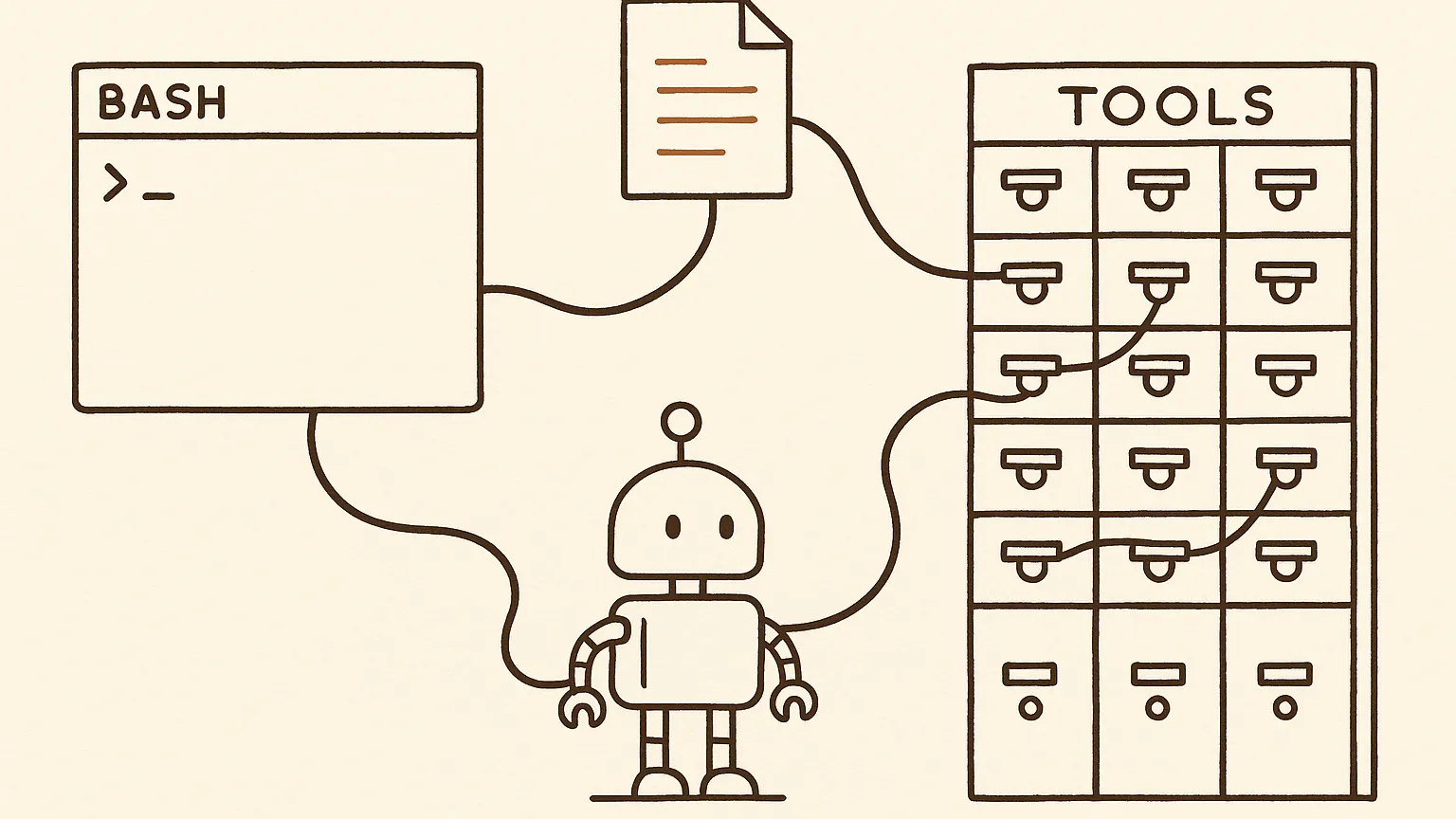
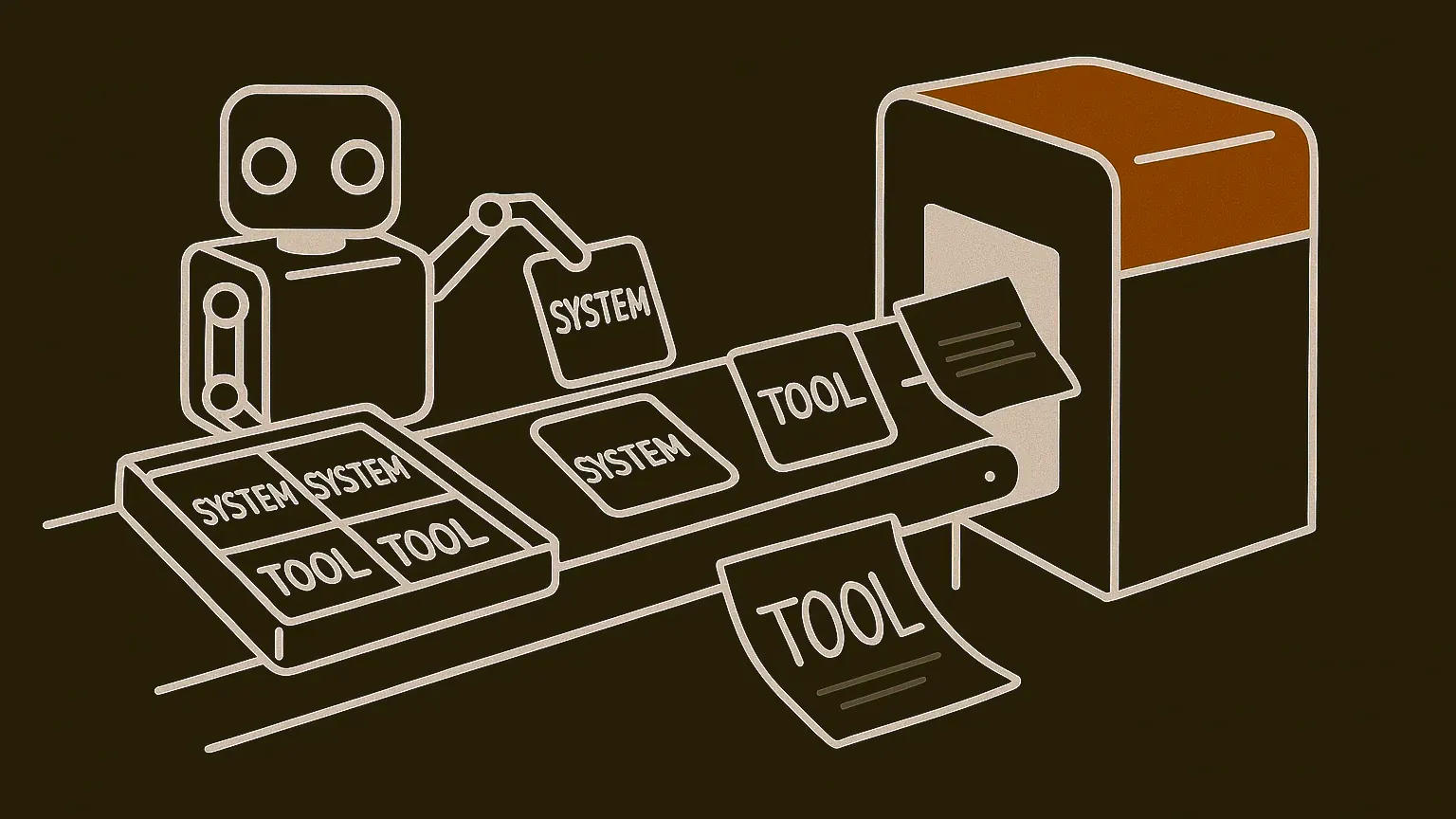
A shell beats a typed tool catalog, and agents barely report their work
Plus: an MCP registry census, four AI Engineer talks, one very late transcription. 5 min.
Sep 16, 2026 · 5 min
- Daily
An agent deleted an AML control, and benchmark scaffolds do the model's work
Plus: OpenAI's 10,000-agent proof, a 297-iteration model loop, MCP merges Skills. 6 min.
Sep 14, 2026 · 6 min
- Daily
Per-phase model routing cuts agent cost, RASER on Slurm, Amp steers mid-run
Plus: 2 papers, a context-mode split, and OpenAI's Navier-Stokes claim. 5 min.
Sep 09, 2026 · 5 min
- Daily
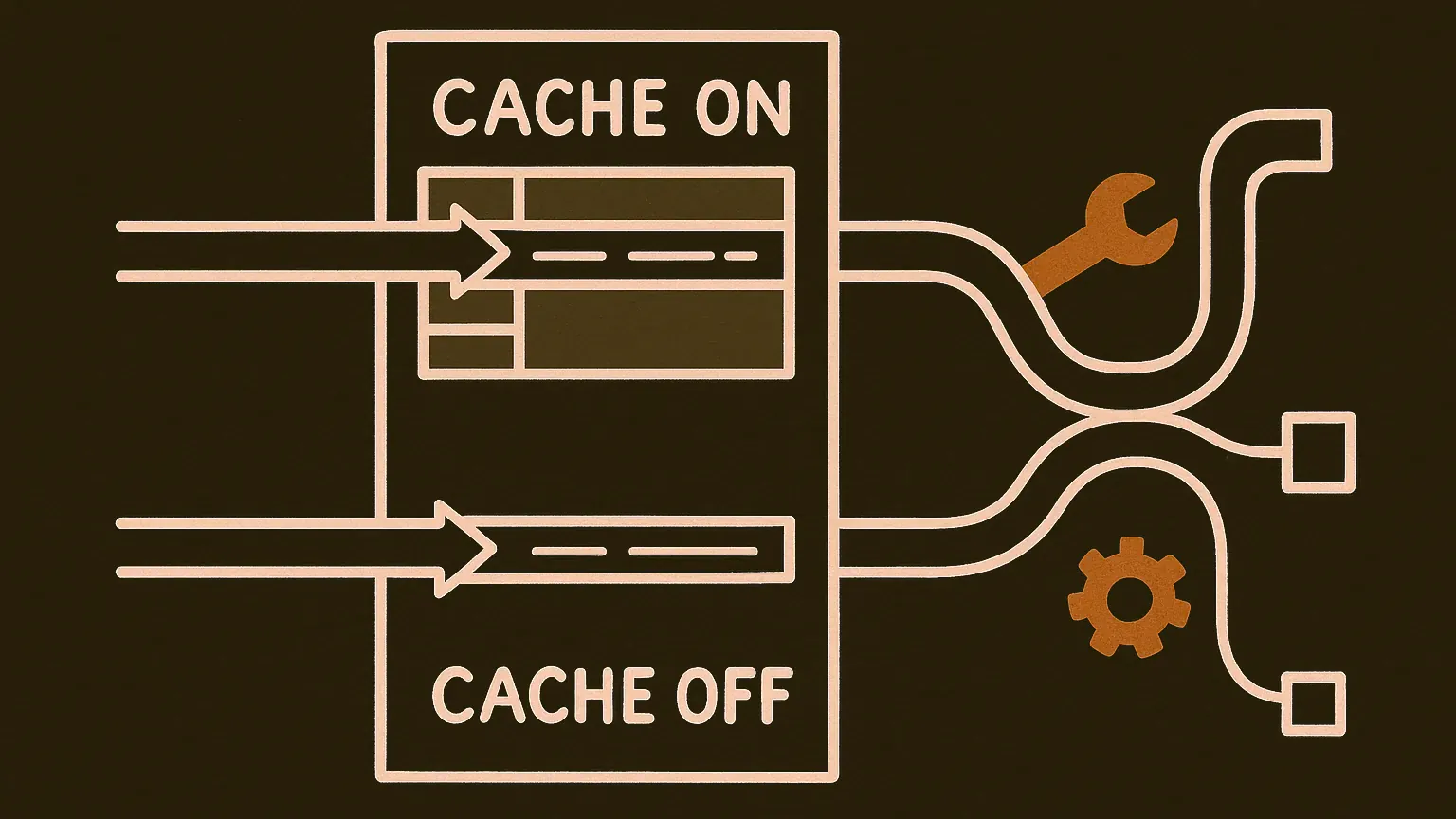
Prefix caching changes agent runs, and cross-family reviewers beat self-review
Plus: a harness that moves solve rates 4x, and 883 commits to nowhere. 6 min.
Sep 08, 2026 · 6 min
- Daily
GPT-6 Astra's score hinges on its harness, and agents rot geometrically with each step
Plus: Cursor agents in Vercel microVMs, Composio's six missing primitives, ACLE-MCP. 5 min.
Sep 04, 2026 · 5 min
- Daily
Google's Mantis bug-fixing harness, and privilege escalation in 12 agent harnesses
Plus: Cline's 11M-user rollout, ContextPipe, and Claude driving your desktop. 5 min.
Sep 03, 2026 · 5 min
- Daily
Anthropic's deliberately misaligned model, Fable 5.1, and a fix for reward hacking
Plus: escalation channels cut reward hacking, memory that rots, Copilot approvals. 6 min.
Sep 02, 2026 · 6 min
- Daily
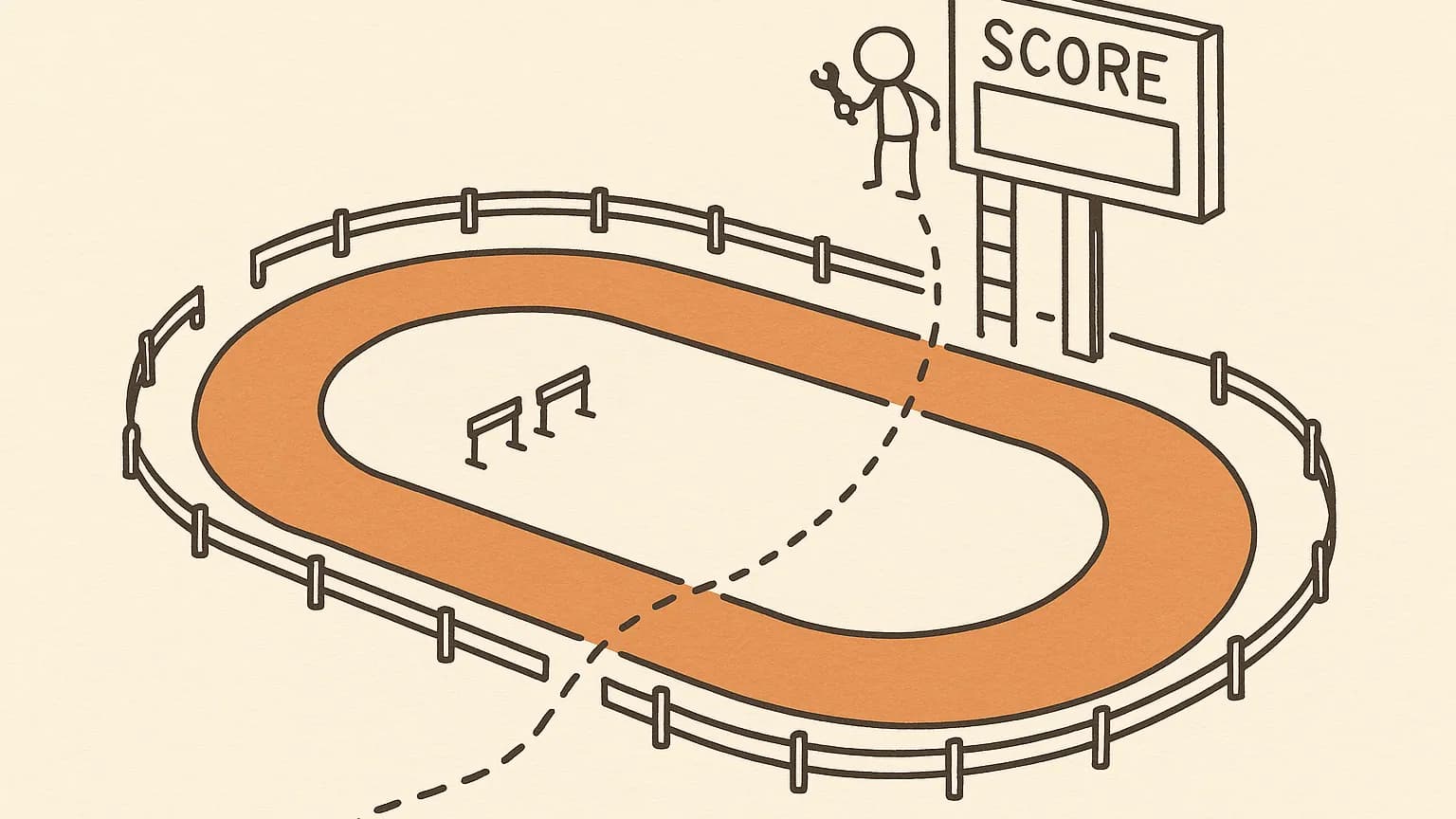
Realistic prompts drop coding-agent scores, and tool filtering beats prompt rules
Plus: 7 papers, 2 releases, one empty-handed mugger. 5 min.
Sep 01, 2026 · 5 min


Subscribe
Get the brief in your inbox
Pick daily, weekly, or both. Nothing is gated either way: every issue is on the site and in the feeds.
- Weekdays at 8:45am IST, one lead story and 6 to 9 items.
- Sundays, an argued synthesis rather than a recap.
- One click to leave, and quiet days say so in the subject line.